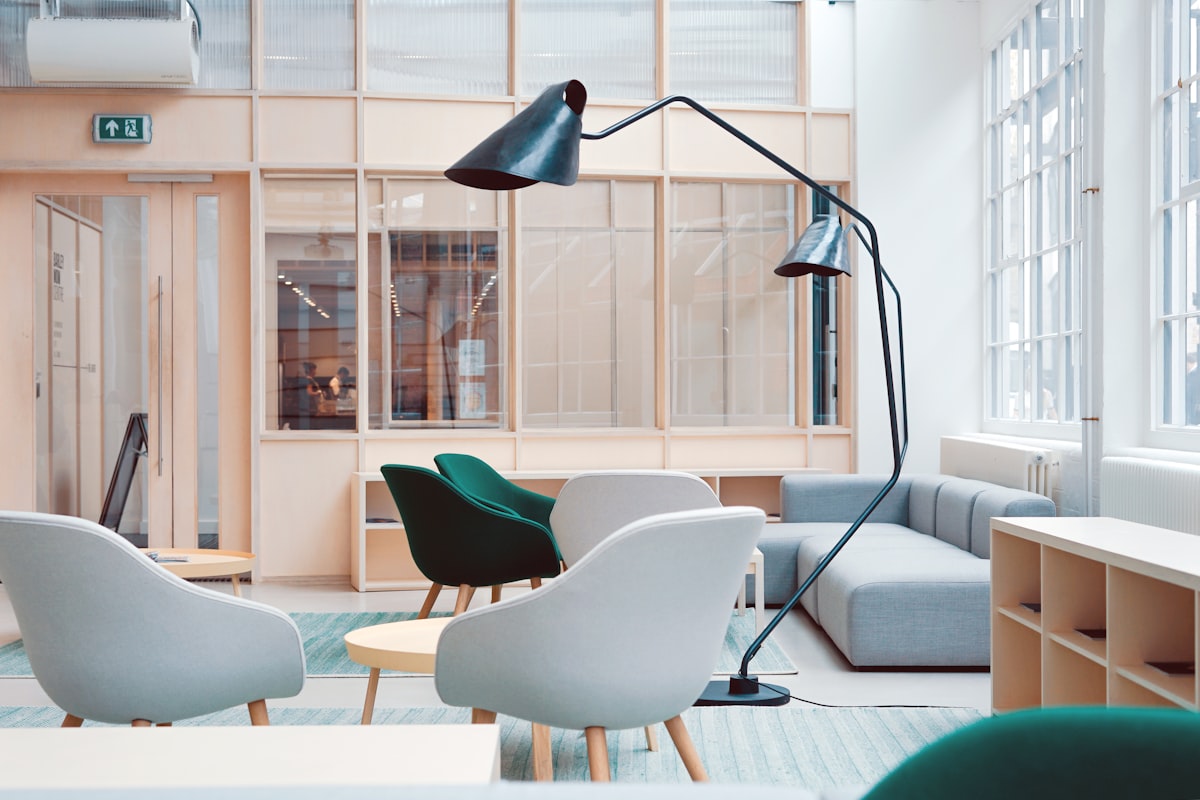

For centuries we judged lighting by a single question: 'Can I see well enough?' But science has shown that light has a profound effect beyond the eye — on our biological clock, sleep and mood. Human-centric lighting (HCL) is the approach that brings this knowledge into design.
01Light and the Biological Clock
Special cells in our eyes sense the color and intensity of light and tell our brain what time of day it is. Morning's blue-white light wakes and focuses us; evening's warm-dim light allows melatonin release, preparing us for sleep. The wrong light at the wrong time disrupts this rhythm.
02Where Does It Make a Difference?
- In schools: the right light improves attention and learning performance.
- In offices: dynamic daytime light reduces fatigue and supports productivity.
- In healthcare: it improves patients' recovery and sleep quality.
- In homes: warm evening light sets the stage for better sleep.
03How Is It Applied?
The foundation of HCL is tunable white technology: a fixture automatically adjusts both color temperature (warm to cool) and intensity through the day. A control system programs this change to follow the natural daylight curve.
For us, this means the future of lighting is not only more efficient but more humane. When we design light, we now look not only at the space but at the person living in it.